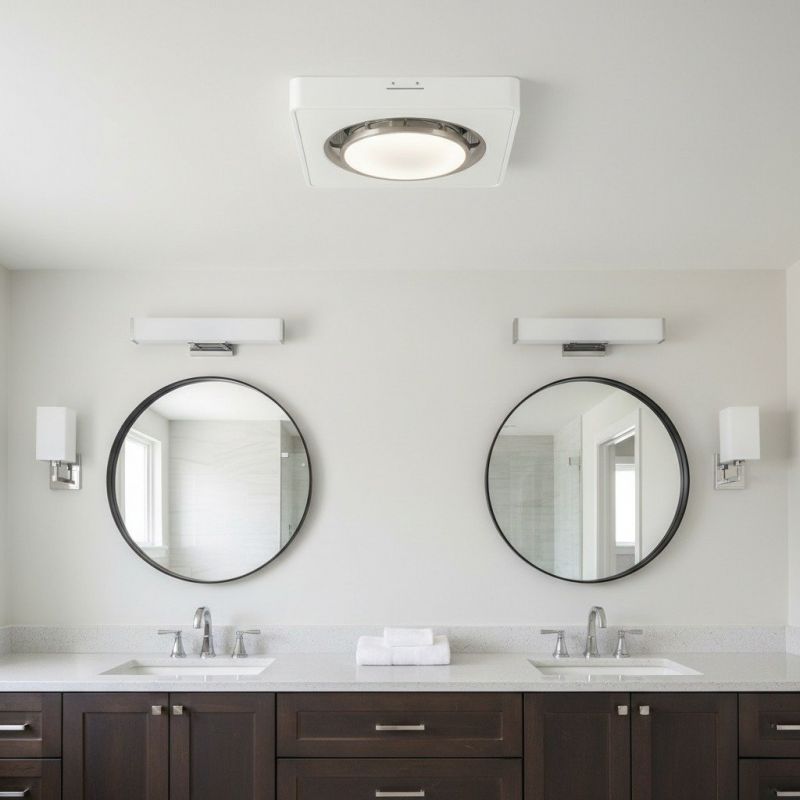
Bathroom Fan Wiring in Denver, CO
Bathroom fan wiring services involve installing, upgrading, or repairing the electrical connections that power bathroom ventilation fans. These projects typically include ensuring the fan is properly wired to an appropriate power source, connecting switches or timers, and making sure the wiring complies with safety standards. Homeowners often request this service when installing a new exhaust fan, replacing an outdated or malfunctioning unit, or adding ventilation to improve air quality and reduce moisture buildup in bathrooms.
Before requesting bathroom fan wiring services, property owners should understand the specifics of their existing electrical system and the type of fan being installed. It’s helpful to know whether the wiring needs to be extended or modified, if a dedicated circuit is required, and whether any additional controls, such as humidity sensors or timers, are desired. Clarifying these details can ensure the wiring work meets the needs of the space and adheres to safety requirements.
Many property owners in Denver, CO look into Bathroom Fan Wiring for repairs, replacements, upgrades, and appearance-related improvements.
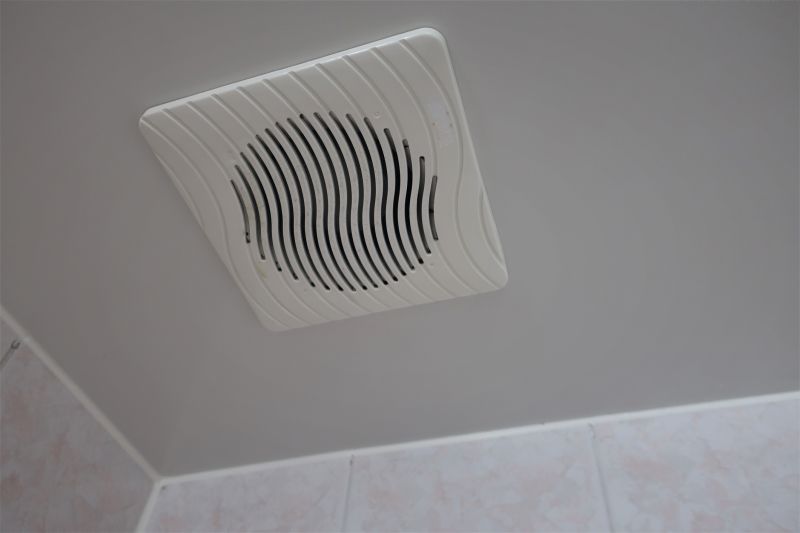
Bathroom Fan Wiring Basics
Proper wiring ensures safe and reliable operation of bathroom exhaust fans.
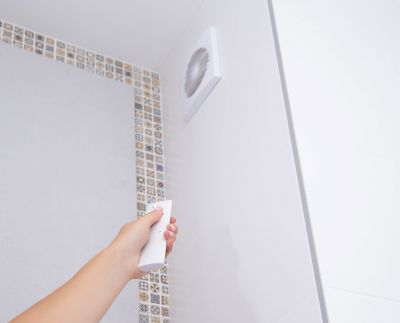
Upgrading Bathroom Fan Circuits
Upgrading wiring can improve airflow and meet current electrical codes in denver homes.
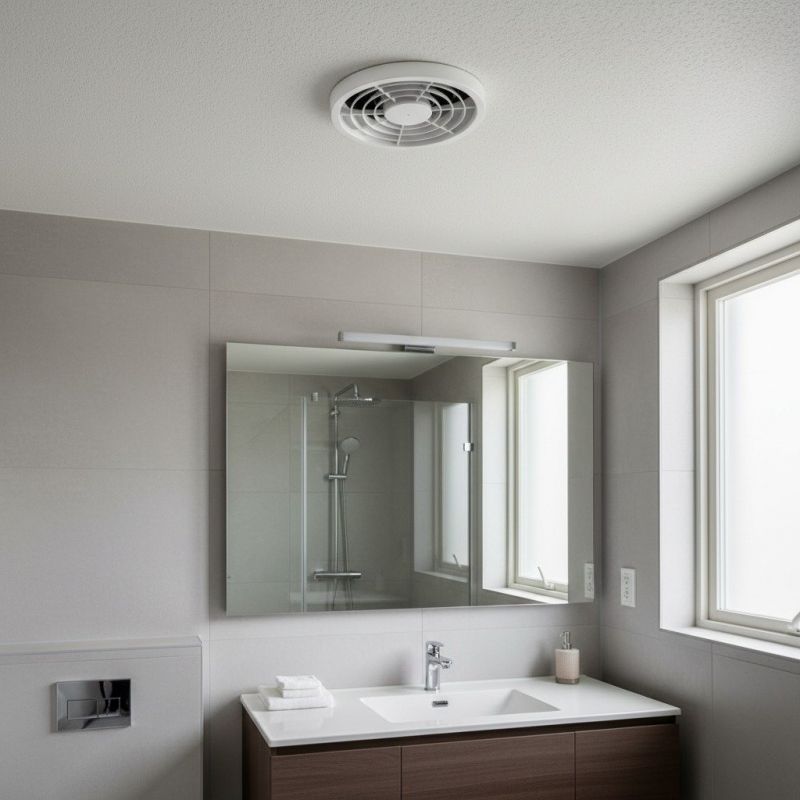
Troubleshooting Fan Wiring Issues
Identifying wiring problems helps prevent malfunctions and potential electrical hazards.
Bathroom Fan Wiring in Denver, CO
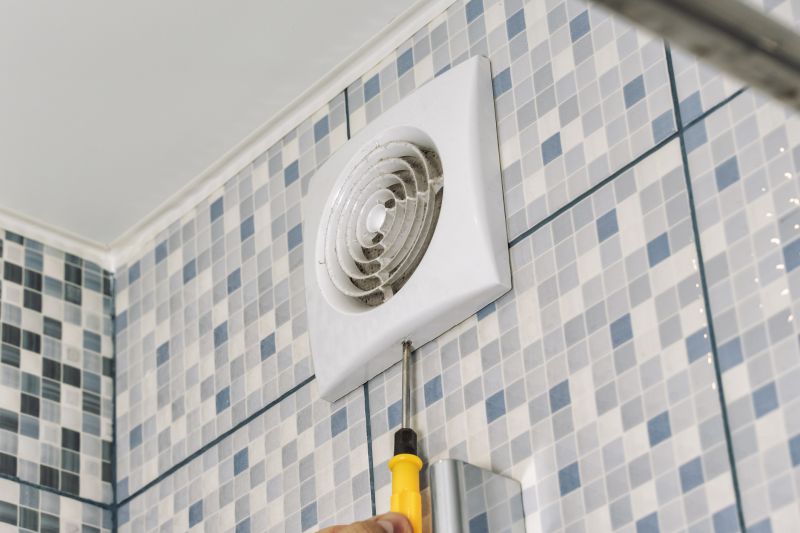
Bathroom fan wiring services involve installing, upgrading, or repairing the electrical connections that power bathroom ventilation fans. These projects typically include ensuring the fan is properly wired to an appropriate power source, connecting switches or timers, and making sure the wiring complies with safety standards. Homeowners often request this service when installing a new exhaust fan, replacing an outdated or malfunctioning unit, or adding ventilation to improve air quality and reduce moisture buildup in bathrooms.
Before requesting bathroom fan wiring services, property owners should understand the specifics of their existing electrical system and the type of fan being installed. It’s helpful to know whether the wiring needs to be extended or modified, if a dedicated circuit is required, and whether any additional controls, such as humidity sensors or timers, are desired. Clarifying these details can ensure the wiring work meets the needs of the space and adheres to safety requirements.
Many property owners in Denver, CO look into Bathroom Fan Wiring for repairs, replacements, upgrades, and appearance-related improvements.
Common Bathroom Fan Wiring Jobs
Bathroom Fan Wiring - ensures proper electrical connections for safe and reliable operation.
Fan Switch Wiring - involves installing or replacing switches to control bathroom ventilation.
Exhaust Fan Wiring - includes wiring new exhaust fans for improved moisture control.
Lighting and Fan Combo Wiring - integrates lighting fixtures with bathroom ventilation systems.
Upgrade Wiring Systems - updates existing bathroom fan wiring to meet current safety standards.
Troubleshooting Wiring Issues - identifies and resolves electrical problems affecting bathroom fans.
Bathroom Fan Wiring Questions
What is involved in bathroom fan wiring? Bathroom fan wiring includes installing the fan, connecting it to power, and ensuring proper grounding for safety and performance.
Can existing wiring be used for a new bathroom fan? Existing wiring may be suitable if it meets current electrical standards, but an inspection is recommended to confirm compatibility.
Is it necessary to turn off power before wiring a bathroom fan? Yes, shutting off power at the circuit breaker before starting work is essential for safety.
What types of switches are used for bathroom fans? Typically, standard or humidity-sensing switches are used to control bathroom fans effectively.
Request Bathroom Fan Wiring in Denver, CO
Use the quote form on this page to share the basics of your project and request more information for the type of work you need.